We use cookies to enhance your experience, analyze site usage, and support our marketing efforts. By clicking 'Accept All,' you agree to the storing of cookies on your device. You can customize your preferences or opt out of non-essential cookies at any time.


Our Safety Approach
“Nothing we do is more important than making sure everyone goes home safe at the end of the day.” – Justin Gorman, President/CEO
We Don’t Negotiate on Five Things
Fall protection. Energy control. Excavation and trenching. Confined space. Drug and alcohol compliance. These aren’t guidelines. They’re non-negotiable. Any violation results in immediate termination, period.
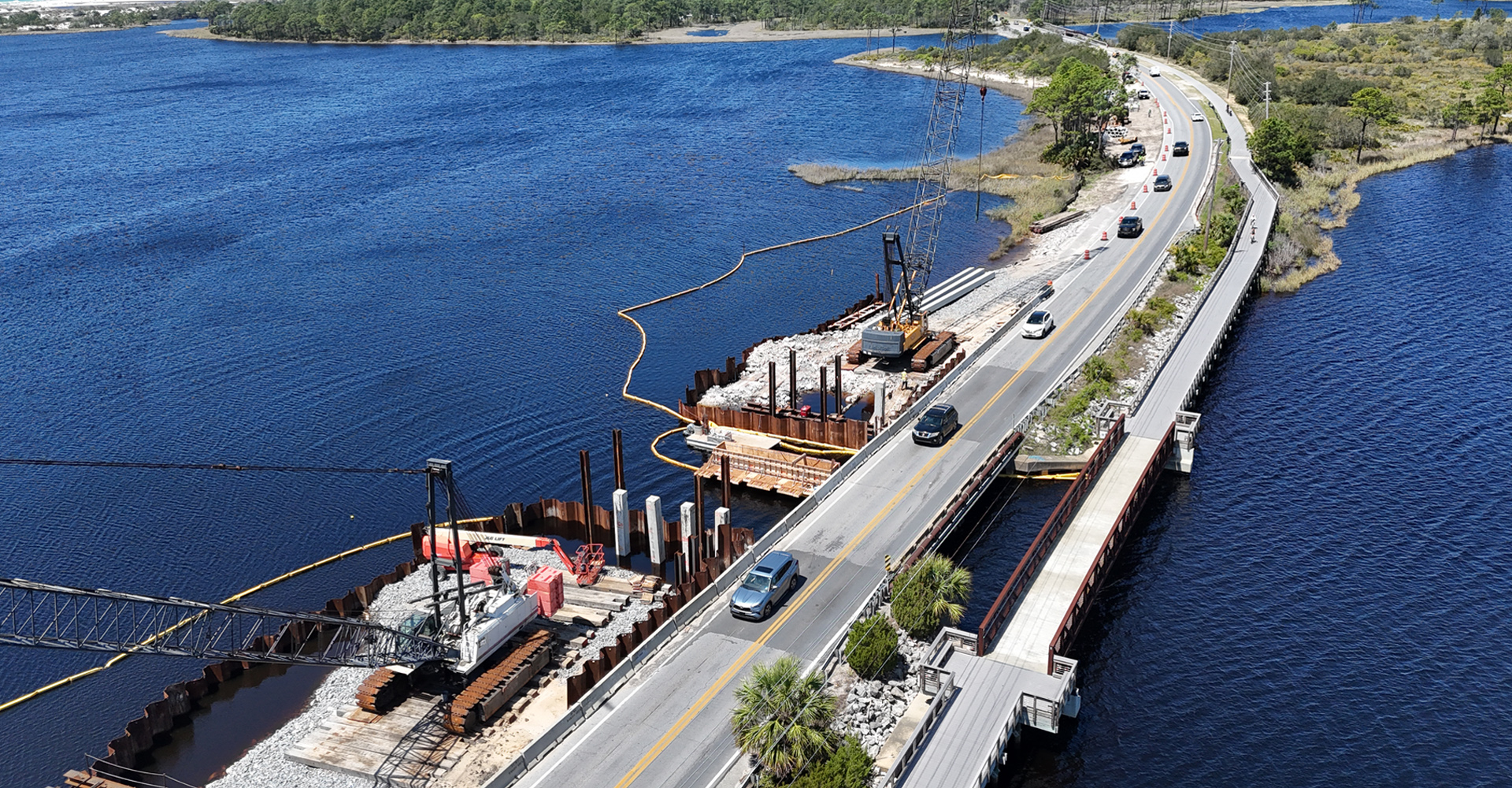
We require 100 percent fall protection for any work above 6 feet on every job, for every person, with no exceptions. We conduct daily job hazard analysis before work starts every day, not paperwork after the fact. We employ only certified operators for cranes, riggers, aerial lifts, and heavy equipment, and that certification travels with them. We implement real-time heat stress monitoring tied to actual conditions, not assumptions. We maintain marine-specific protocols that respect what working over water actually demands, including barge stability checks, man-overboard response, and weather monitoring. We have a hurricane plan built for the realities we face working in the Atlantic and Gulf, activated at predictable storm thresholds. Equipment inspection happens before every shift, is tracked, documented, and enforced.
Every Person Has Authority and Responsibility
Stop Work Authority isn’t permission. It’s your responsibility. If you see something that isn’t right, you stop work. No approval needed. No retaliation. No negotiation.
We train everyone on how to recognize hazards because the person closest to the work is usually the person best positioned to catch problems others miss. We listen to them. Raising a safety concern doesn’t require courage because we’ve built a culture where doing it is normal. Staying quiet when you see a problem is what we don’t tolerate.
Subcontractors Meet the Same Standard
If you work on a Gorman project, you work to our safety standards. Same JHAs. Same training verification. Same daily assessments. Same accountability. We prequalify before mobilization. We verify credentials before the first day. We assess daily. And if someone doesn’t meet the standard, they go home.
A Culture Built to Last
We don’t do safety theater. We do the work. Early morning toolbox talks where people discuss actual hazards on actual jobs. Monthly inspections where we find problems and fix them before they become incidents. A peer observation program where your coworker catching a small issue is celebrated because it might have prevented a catastrophe.
We measure ourselves against one metric: Zero injuries. Not reduce injuries. Not lower our incident rate. Zero. That’s the only acceptable standard, and we track it on every project.
“Our Safety Director has full authority to enforce this program. Not advisory authority. Full authority. And I back it completely.” – Justin Gorman, President/CEO
Why This Matters
We’ve chosen this work because we’re good at it. Because we care about delivering on our commitments. Because we want to build Gorman’s reputation through actual performance, not marketing. You don’t build that reputation by cutting corners on safety. You build it by being the company that gets the work done right, on time, and brings everyone home uninjured. That’s Gorman. That’s how we operate. That’s not negotiable.